Manufacturing · Houston, TX · 700+ people
How 100+ employees at Piping Technology are getting hours back every day
Inside the 51-year-old Houston manufacturer where the CEO ran an “emergency onboarding” — and 40 days later, Tasklet is at work in engineering, finance, operations, and the executive office.

Piping Technology & Products has spent 51 years making the hardware that holds up industrial America: pipe supports and expansion joints that protect critical piping in power plants, chemical and pharmaceutical plants, large breweries — and the data centers where AI itself runs. Everything is engineered to order on a 40-acre Houston campus by more than 700 people, two-thirds of them welders and craft labor. When a pipe support fails, it isn’t an inconvenience; as CEO Rakesh Agrawal puts it, that’s the kind of thing that would end up on the evening news.
So the question was never whether AI could just save this company time. It was whether a company like this could trust it.
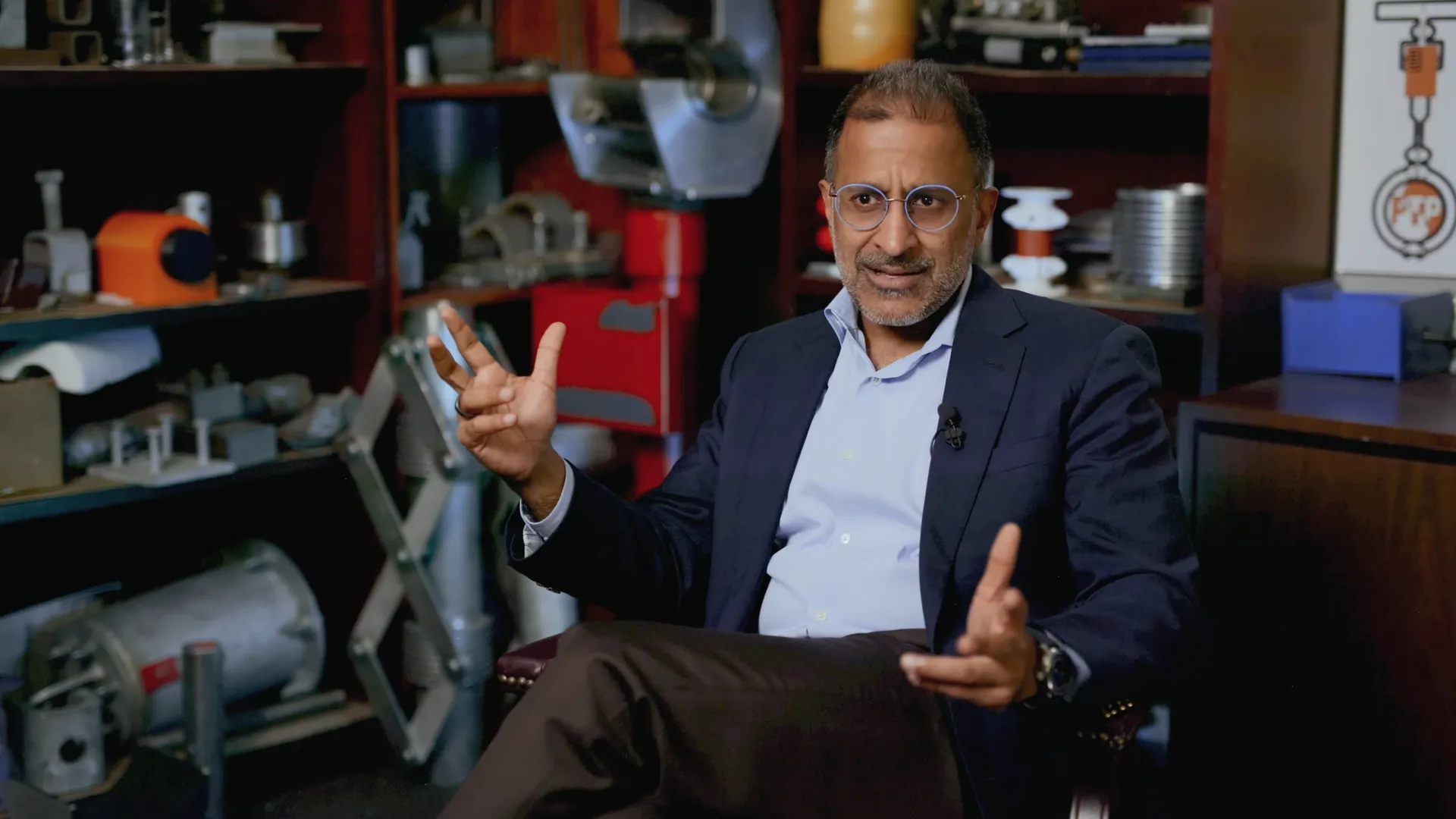
“It’s just a text prompt — you talk to it and it does stuff for you. It’s been really amazing to see how it’s unlocked people’s creativity and their greater potential.”
The challenge
Around the company, skilled people were buried in manual work:
- Bala Gangadharan oversees 500 people across two shifts, with 350+ emails a day landing while he spends 80% of his time on the floor.
- Robert Cornelius manually sorts through and reads every incoming contract, 10 to 30 pages at a time.
- Niket Shah’s team spends two hours every morning assembling backlog reports, and even more time chasing follow-ups.
- Veronica Bowdry and her accounting team stay late every night to keep up and get the job done.
Skilled people, losing hours every day to busywork that demanded their time but none of their talent.
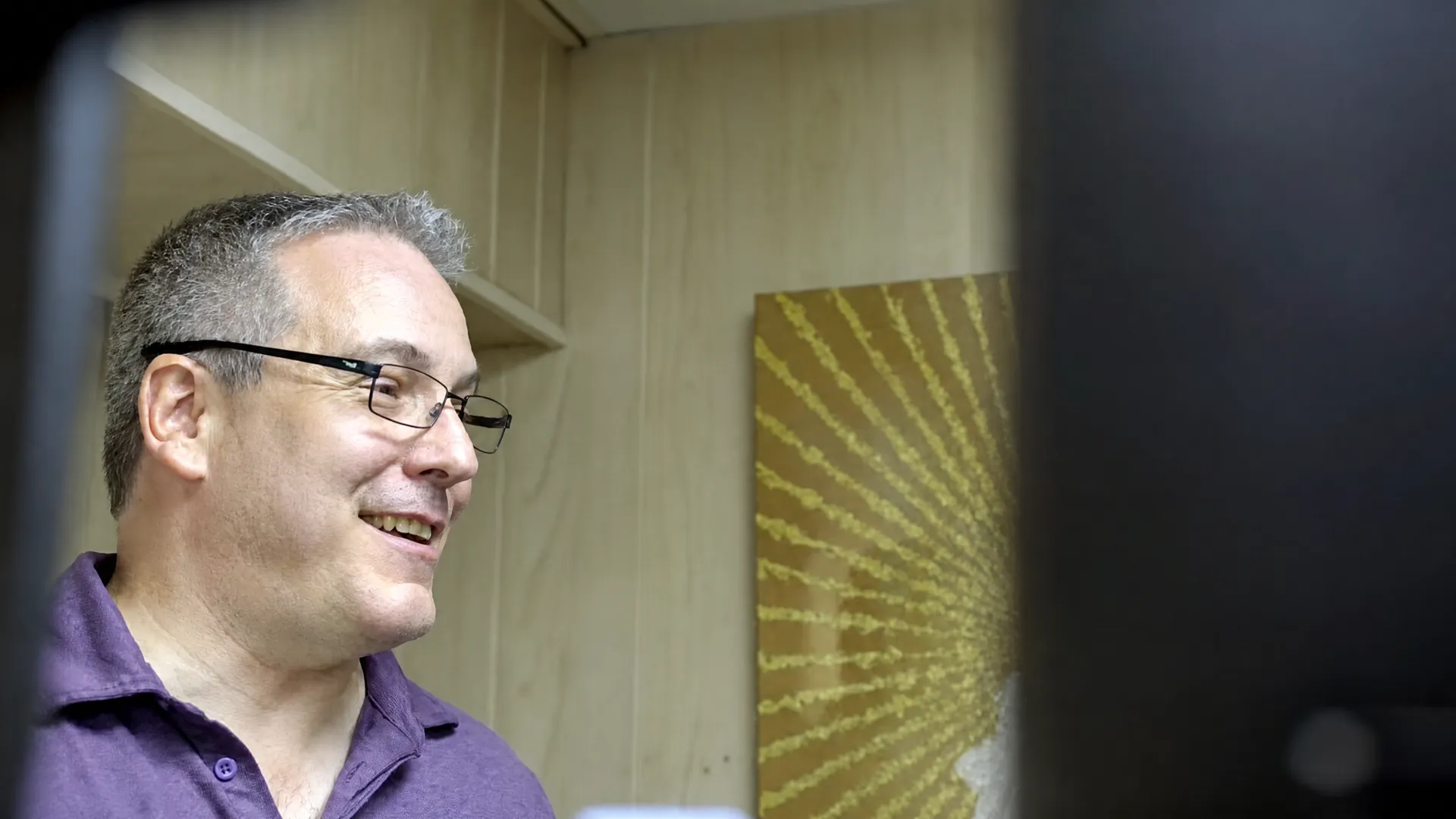
“I have it kick off a process at 5:00 in the morning, and I get a report before I even get in for the day. I’m at work while I’m still sleeping.”
An emergency onboarding
Rakesh connected Tasklet to his own email and calendar over a weekend. “What I realized in that first 48 hours is that this was a model where you just talk to the agent… it can build apps on the fly. This was a product for everyone.” By Monday afternoon he had assembled what he calls an emergency onboarding: nine employees from different roles, laptops open, thirty minutes. Everyone had built their first agent by the end of it.
How does everyone get started? Rakesh gives each new person the same first prompt:
The starter prompt
Be my personal assistant. Connect to my Google email, calendar, chat and drive, and set up texting so I can message you to do things throughout the day. And send me a daily email and text of what’s most important at 7am every weekday morning. Start by creating a sample one right now so I can give you feedback.
Then each person tells their agent what they do and as much as they can about their job. Once that agent is dialed in, the next layer is identifying and delegating repetitive work.
Forty days after onboarding, more than 60 team members were using Tasklet, with around 20 actively building. Since then, adoption has grown to more than 100 team members. Nobody was taught to code; they describe what they want in plain language, or just text it from the shop floor. People are sharing what they’ve made with each other, so no one builds the same thing twice.
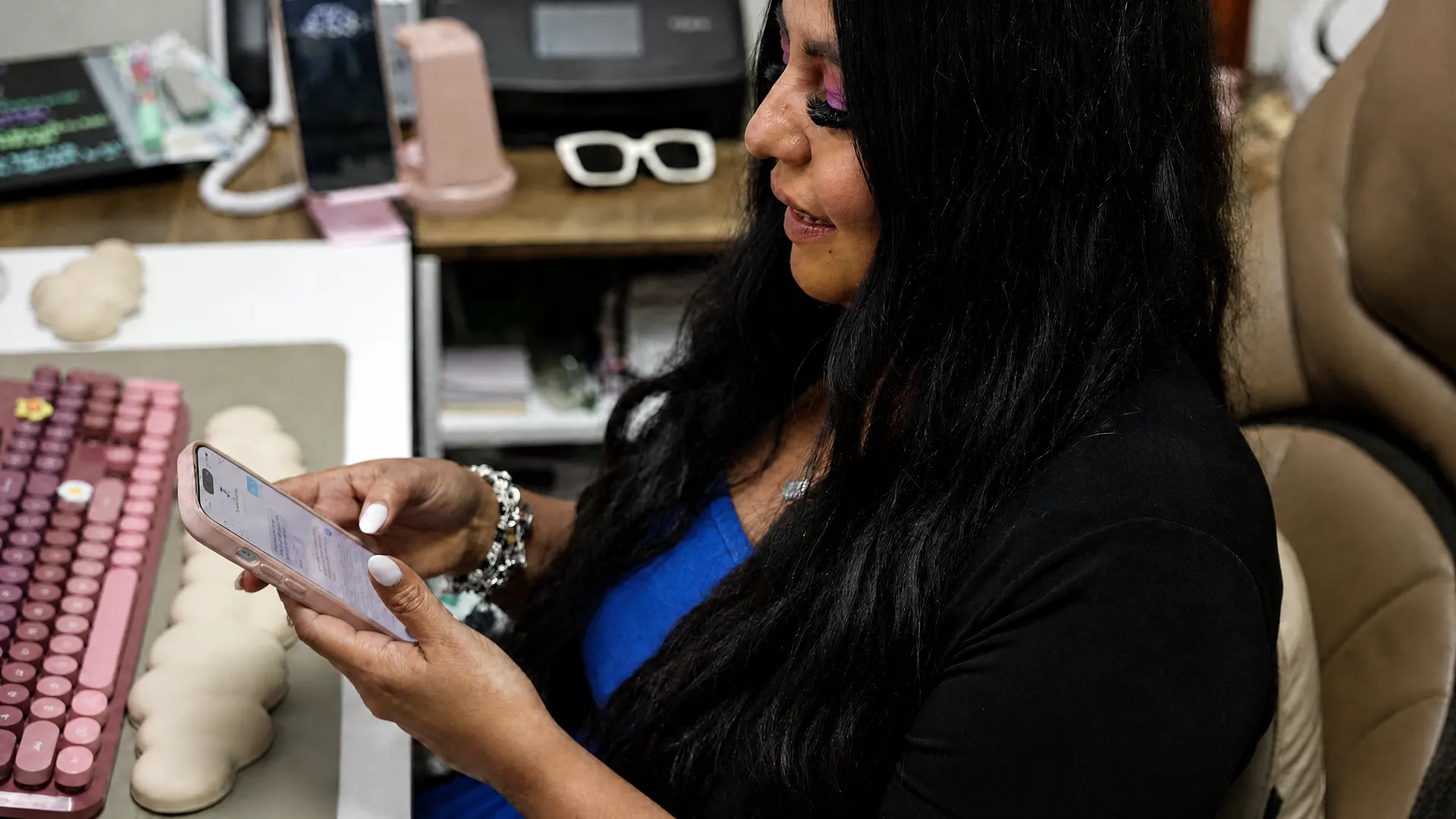
“It has freed up my time to focus on the things that are much more important, especially to my executive and my teammates.”
Speed without giving up precision
For a company whose products can’t fail, speed only counts if it never costs accuracy.
“Accuracy is a big deal for engineers. We don’t rely on ‘I think it’s fine.’ We want to know if it’s fine.”
So Ugo had Tasklet build him a structural frame solver he could verify himself — about four hours of work for something that would have taken him a week to code. An analysis that used to mean opening up engineering software and modeling the structure piece by piece now tells him in seconds whether a design can safely carry its load.
The same discipline runs company-wide: describe the task precisely, then verify the output. Speed that never asks the team to trust less — that’s what made Tasklet stick.
Doing 40% more with the same team
At U.S. Bellows, the expansion-joint division Niket Shah runs, business had grown about 20% a year for five years. This year it’s already up over 40%, with the same headcount. The backlog report his team spent two hours assembling every morning now lands automatically at 6:30, the follow-ups that ate two to three hours a day happen on their own, and on-time delivery climbed from around 52% to 80% even as the demand has grown. They have improved a number of processes to get there — but he credits Tasklet as playing a major role in his team running 40 to 50% more efficiently.
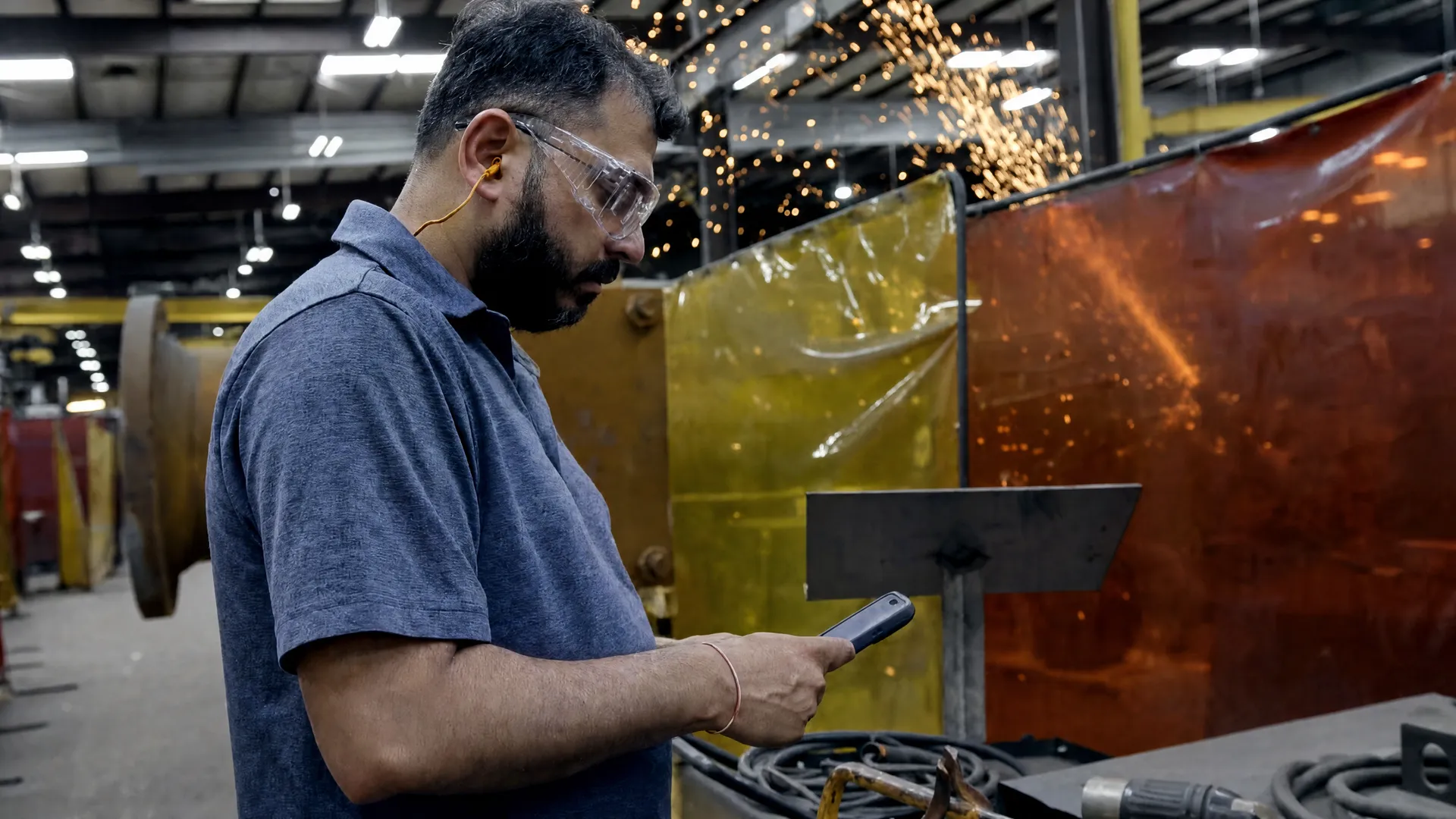
“I have to be on the shop floor for 70% of my time. I don’t need to be physically in front of the computer — I can just message on the phone and the work gets done.”
Where speed becomes revenue
The clearest example is quoting. The team mapped its quotation process at up to four hours per inbound request, with three people involved; with Tasklet reading, extracting, and drafting, it’s being cut to 15 minutes and one person. That shorter turnaround doesn’t just relieve the manual work — it’s a better experience for the customer, and in a business where the first supplier to respond often wins the deal, answering in minutes instead of hours shows up directly in revenue.
The same math runs through the plant. As Anindyo Roy, who runs project management, puts it: most clients choose on lead time, not price — and with Tasklet tracking every order through its whole life cycle, nothing sits idle waiting for someone to remember it. Because when an order does sit idle, the costs stack up fast:
- A stalled $500,000 job takes up floor space that every other job needs.
- A blocked floor means new work the shop can’t take on.
- And stalled work means delayed revenue.
Keeping work moving is the whole game.
And this is all just the beginning. Bala wants agents in the hands of all 33 of his supervisors, Niket is already planning for his agent to talk directly to his teammates’ agents, and Rakesh expects the biggest gains are still ahead.
Fifty-one years in, the company that holds up industrial America is betting its next fifty on the same thing it always has: great people — now with Tasklet agents making them even more capable and effective.
Across the company
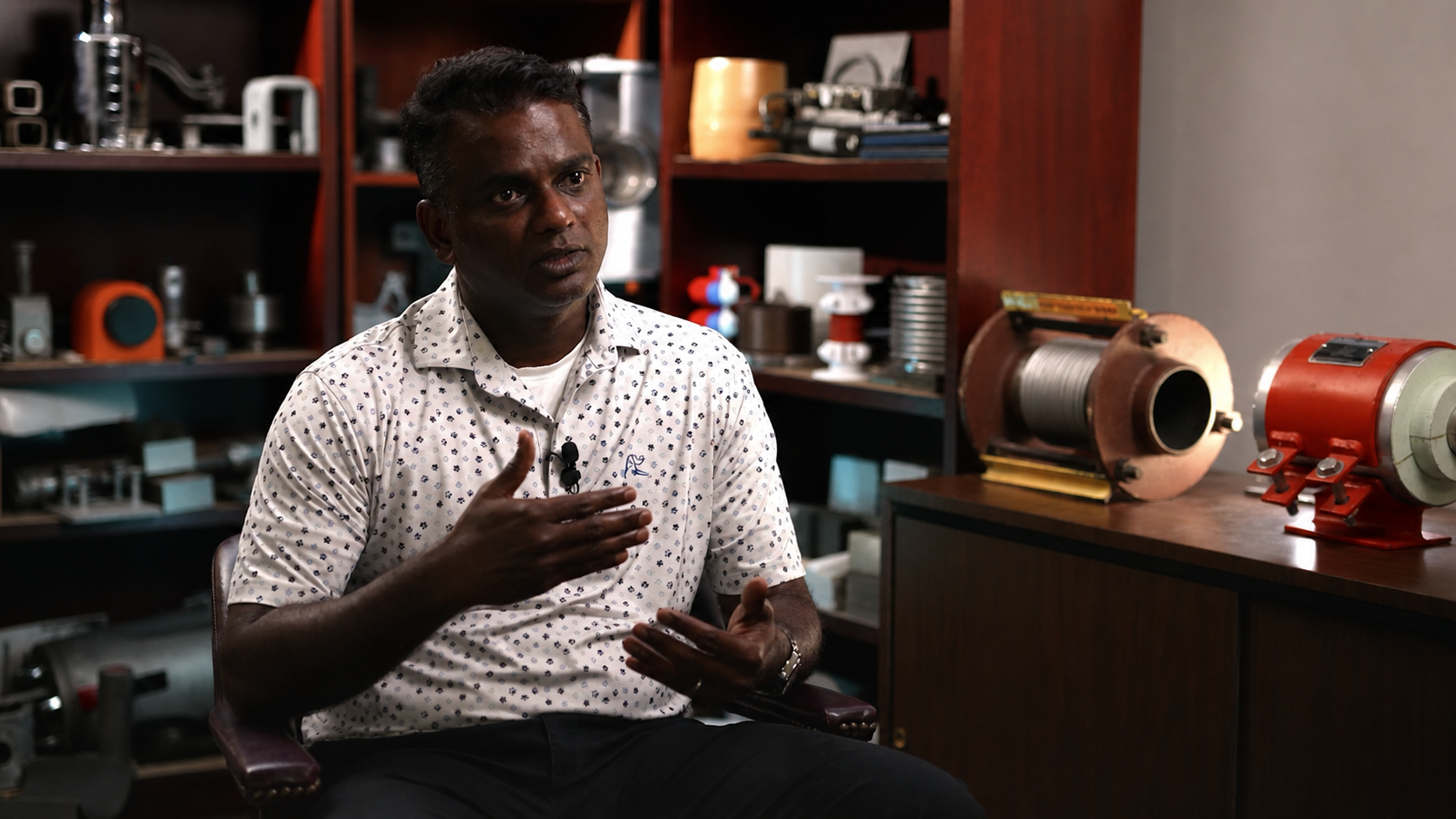
“I’ve been trying to hire a chief of staff for the last two years. Not been successful — and I think I’ve just found myself a chief of staff.”
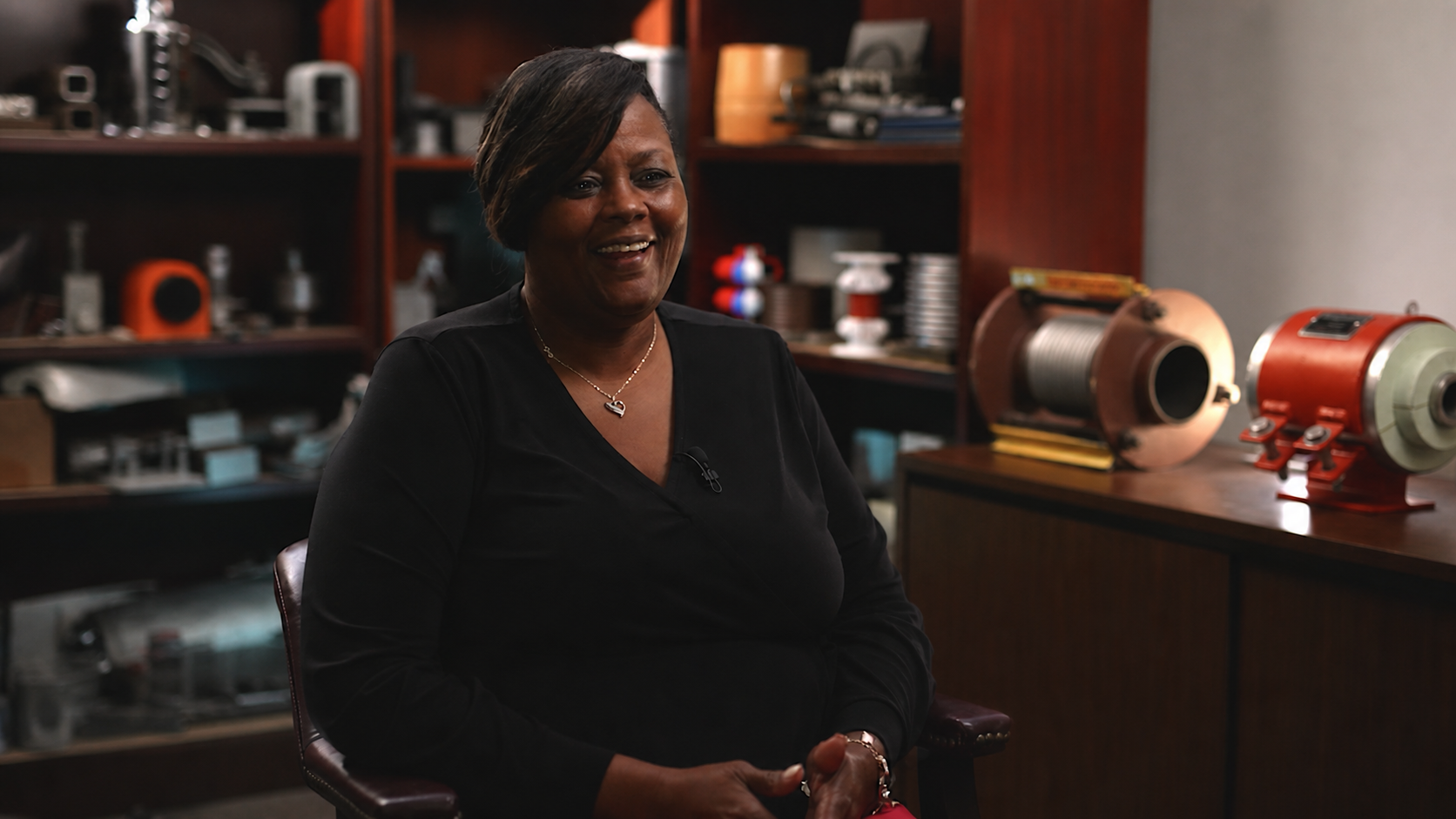
“Tasklet has changed my life. Instead of having to stay here till 6 o’clock, I’m able to leave — I’m not staying at work late trying to do things manually.”
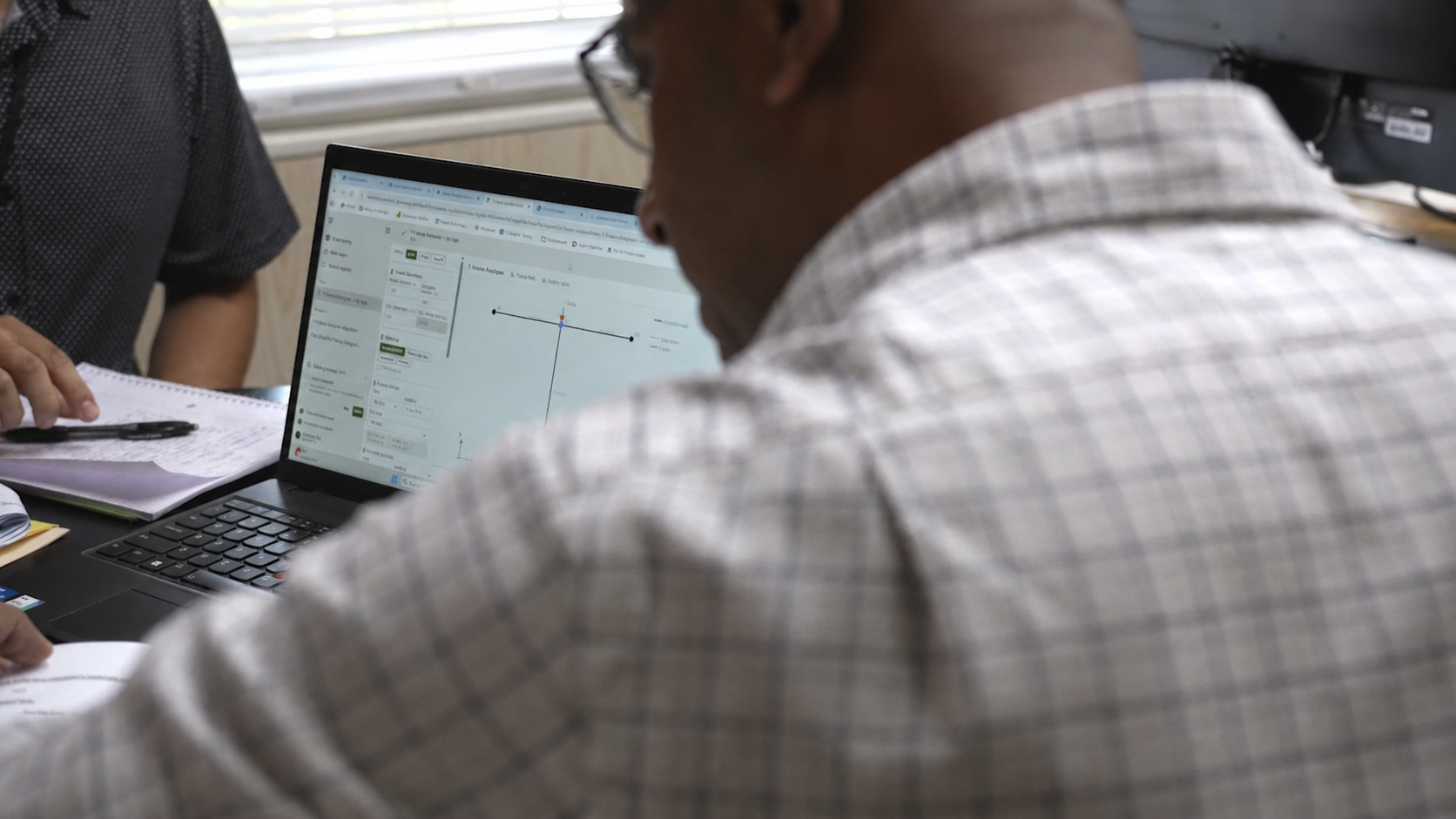
“If someone misses a follow-up, we lose a couple of days until someone remembers, ‘Oh, where’s that order?’ With Tasklet it’s automated — reliable, accurate, and time-sensitive.”
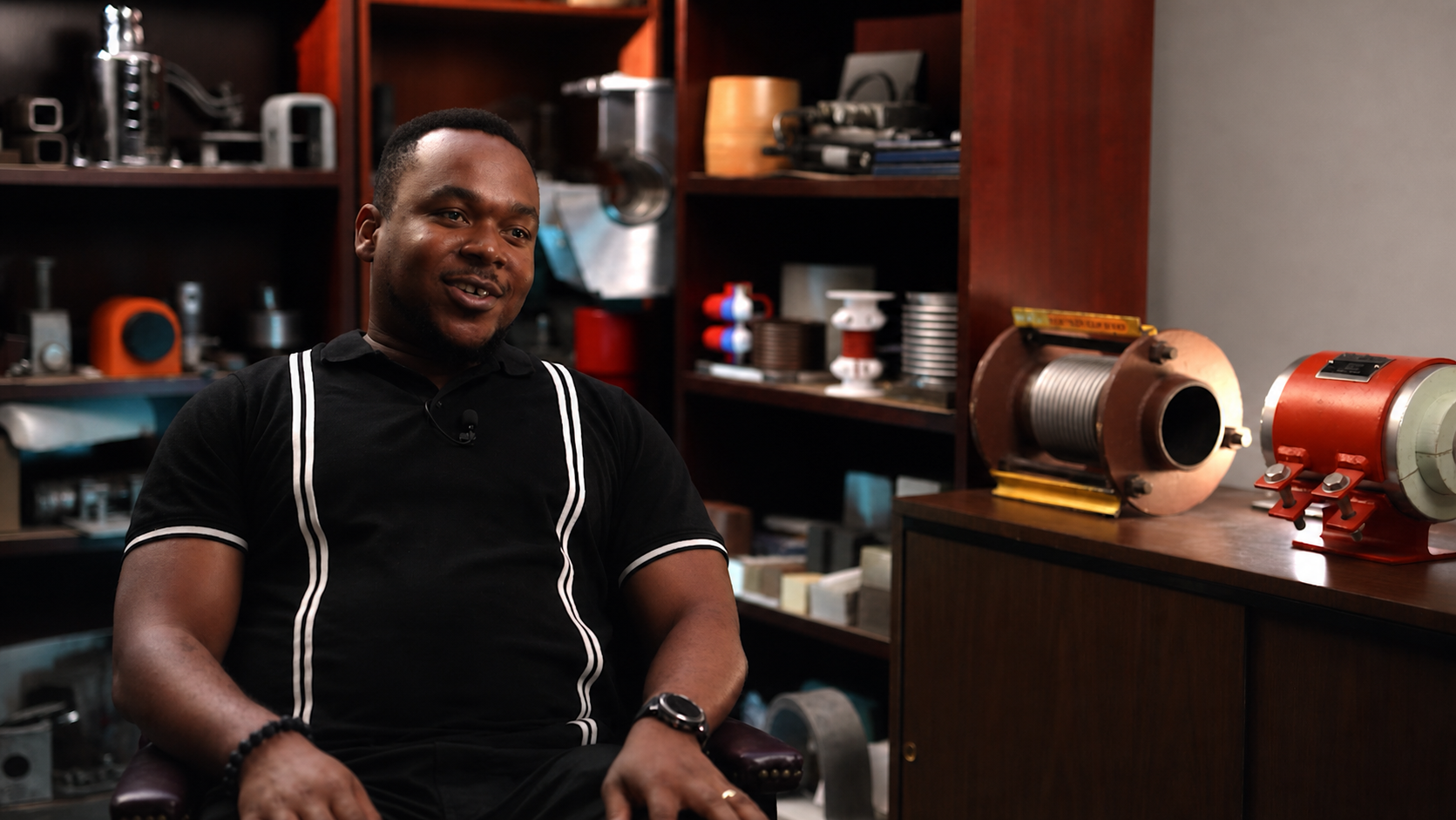
“I wanted an app that is correct, vetted by me, so that every time I go to it, I get a correct answer. When I knew it could develop apps, that was the key turning point for me.”

“Agents are a new productivity primitive, the same way we were introduced to spreadsheets, word processors, and the web browser. We’re all gonna be using them.”
Put agents to work across your company
Create your Agent and choose a subscription or buy credits to get started.